MRU - Digital Forensics
Course Overview
Digital Forensics is a comprehensive course designed to introduce learners to the principles and processes involved in identifying, acquiring, preserving, and analyzing digital evidence. The course provides a structured understanding of how forensic investigators examine digital systems and storage devices to uncover evidence while maintaining evidence integrity throughout an investigation. It begins with the fundamentals of digital forensics, its uses, the skills required by forensic professionals, Locard’s Exchange Principle, and key technical concepts.
The course then focuses on storage and file systems, helping learners understand hard disk structures, different storage types, file system organization, and the distinction between allocated, unallocated, slack, and free space. It also introduces the forensic significance of deleted and wiped files, establishing the foundation required for examining digital storage during investigations.
A major part of the course covers digital evidence acquisition and forensic imaging. Learners explore how to identify disk regions that may contain evidence, understand evidence acquisition and imaging concepts, examine different acquisition types and methods, and consider forensic acquisition approaches for different platforms. The course also emphasizes chain of custody, evidence handling, and evidence integrity, which are essential for maintaining the reliability of digital evidence.
The course further develops skills in digital evidence analysis and registry forensics. Learners examine the digital forensics analysis process, scope of analysis, logical and deleted data, and the complete acquisition-to-reporting cycle. Registry forensics introduces registry file acquisition, registry structure, forensic analysis using AccessData FTK Imager, and common issues encountered during registry analysis.
Finally, learners explore Windows artifacts and USB device forensics, including Windows registry structures, registry and supportive hives, Windows system artifacts, USB flash-drive storage and forensic analysis, and techniques for recovering information from broken, destroyed, or monolithic USB flash drives.
By the end of the course, learners will have a structured understanding of the digital forensic investigation process, from understanding digital evidence and storage systems to acquiring forensic images, maintaining evidence integrity, analyzing registry and Windows artifacts, and investigating USB storage devices.
Course Overview
About the Course
Digital Forensics is a foundational course designed to introduce learners to the systematic process of examining digital evidence and investigating information stored across computers and digital storage systems. The course develops an understanding of how digital forensic investigations are conducted, beginning with the fundamentals of digital forensics, its uses, the skills required of forensic experts, Locard’s Exchange Principle, and important technical concepts related to digital evidence.
The course provides a strong foundation in storage and file systems, covering storage types, hard disk structures, file system concepts, allocated and unallocated space, slack and free space, and the distinction between deleted and wiped data. These concepts help learners understand where digital evidence may exist and how information can be identified during a forensic examination.
Learners will then explore digital evidence acquisition and forensic imaging, including identifying disk regions that may contain evidence, understanding acquisition methods and their limitations, preparing forensic images, and handling evidence from different platforms. Particular emphasis is placed on chain of custody, evidence handling, and evidence integrity, ensuring that digital evidence remains reliable throughout the investigation process.
The course also introduces the digital forensics analysis process and registry forensics. Learners will examine digital evidence, determine the scope of analysis, work with logical and deleted data, and understand the acquisition-to-reporting cycle. Registry forensics covers registry file acquisition, registry structures, analysis using AccessData FTK Imager, and common issues encountered during registry analysis.
The final part of the course focuses on Windows artifacts and USB device forensics. Learners will study Windows registry structures, registry and supportive hives, Windows system artifacts, USB flash-drive storage, and forensic techniques for examining and recovering information from broken, destroyed, or monolithic USB flash drives.
By the end of the course, learners will have a clear understanding of the digital forensic investigation workflow, from identifying potential evidence and acquiring forensic images to analyzing digital artifacts and maintaining evidence integrity. The course provides a solid foundation for learners interested in Digital Forensics, Cybercrime Investigation, Incident Investigation, and Forensic Analysis.
Skills You Will Learn
- By the end of this course, learners will be able to: CO1: Explain the fundamentals of digital forensics, its applications, the role of a computer forensic expert, Locard’s Exchange Principle, and key technical concepts used in forensic investigations. CO2: Analyze storage devices and file systems by understanding hard disk structures, allocated, unallocated, slack, and free space, and distinguishing between deleted and wiped data. CO3: Apply digital evidence acquisition and forensic imaging techniques, including identifying relevant disk regions, selecting appropriate acquisition methods, and understanding their limitations across different platforms. CO4: Demonstrate proper evidence handling practices by applying chain of custody, evidence integrity, and forensic evidence management principles throughout an investigation. CO5: Perform digital evidence analysis and registry forensics by examining logical and deleted data, following the acquisition-to-reporting cycle, and analyzing registry files and structures using forensic tools. CO6: Analyze Windows artifacts and USB devices, including Windows registry artifacts and USB storage data, to support forensic investigations and recover information from damaged or destroyed storage devices.
Course Structure
A guided path of theory modules and hands-on labs, sequenced to build mastery.
Secure Your Completion Certificate
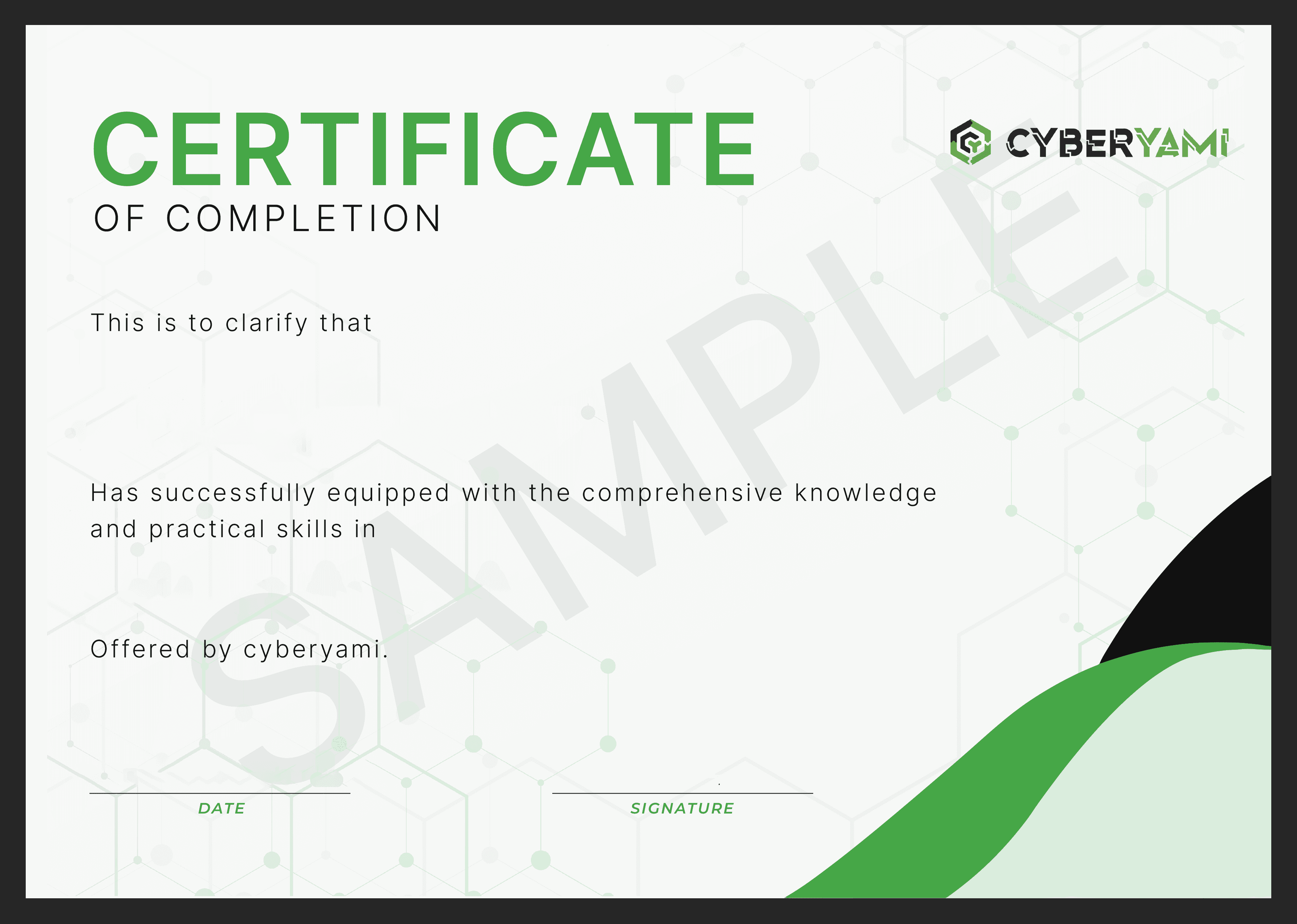
Attain your Completion Certificate and showcase your achievements on LinkedIn. Share your certificate with prospective employers and strengthen your professional network.
- Industry-recognized — issued under the Cyberyami program.
- Shareable directly to LinkedIn and beyond.
- Unique ID for employer verification.
Get Started
- Self-paced learning with lifetime access
- Hands-on labs and real-world scenarios
- Completion certificate on finish
Related SkillUp Courses
Start Your 7 Days Free Trial
Discover SkillUp courses for free with a 7-day trial. Access a variety of courses to enhance your skills and knowledge.