- cyber attacks on businesses
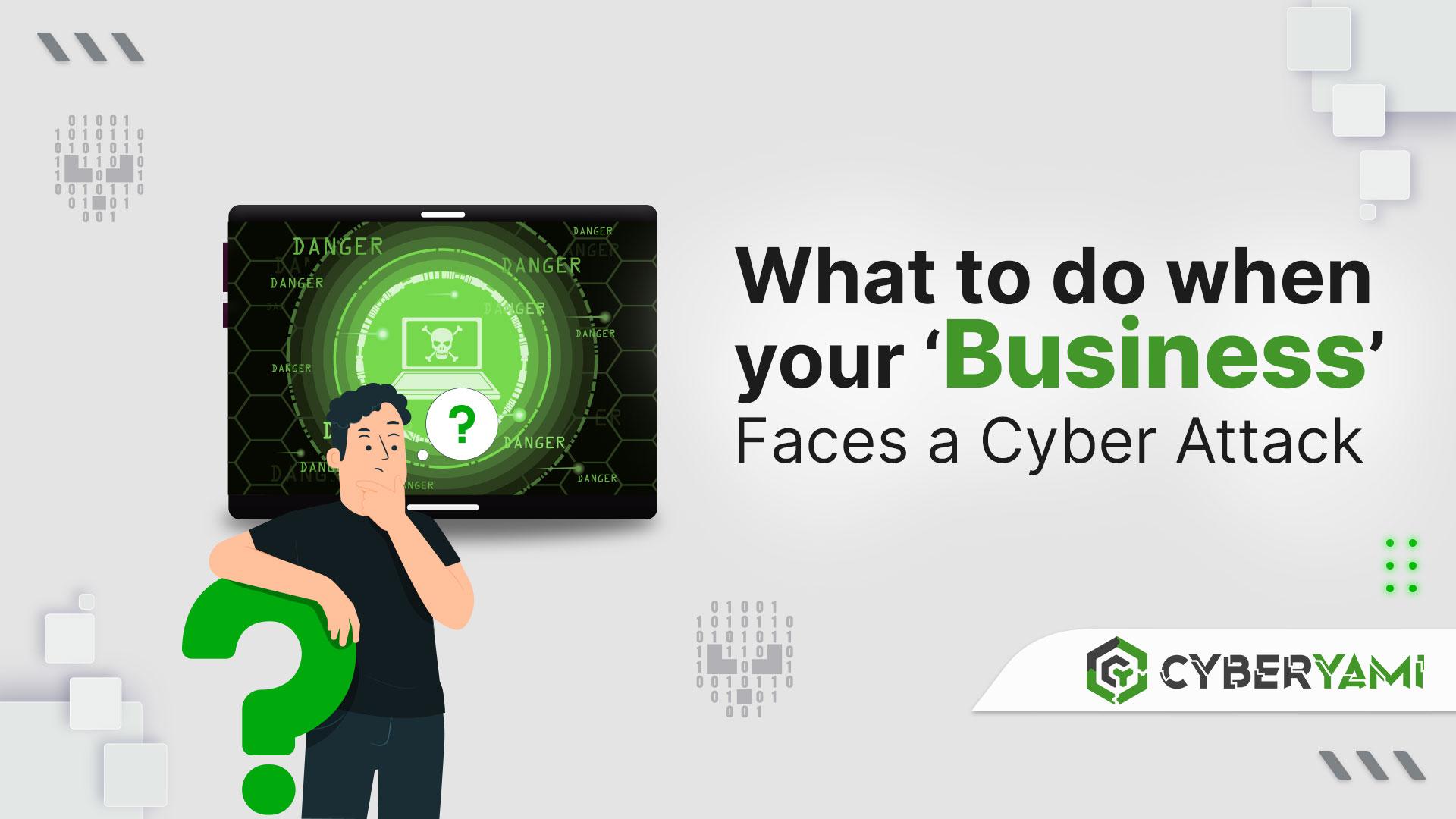
What to do when your Business faces a Cyber Attack
As businesses rely more on technology, cybersecurity has become critical rather than optional. The global cybersecurity market is projected to grow from $218.98 billion in 2025 to $248.28 billion in 2026 — and that growth is a direct response to attack volume, not ahead of it. (Cybersecurity Market Size And Share Report, 2026-2033, n.d.) Cybercrime is estimated to cost the world $10.5 trillion in 2025 alone. (Global Cybercrime Costs Projected to Reach $10.5 Trillion An, 2026) No business, regardless of size or industry, is immune. When your business faces a cyber attack, it can be overwhelming — but there are concrete steps you can take to limit the damage and prevent a repeat. This builds on our companion piece, Ways to Protect Your Business from Cyber Threats, which covers prevention; this one covers response.
1. Assess the Situation
Determine what systems or data have been compromised and how the attack occurred. Common signs include unusual network activity, unexpected changes to system settings, unauthorized access attempts, or unexplained file modifications. Document everything and avoid tampering with affected systems before you've assessed the situation — you'll need that evidence both for remediation and, potentially, for insurance or legal purposes.
2. Secure Your Systems
Isolate affected systems, take them offline if necessary, or shut down parts of your network to contain the spread. Depending on the severity, bring in a cybersecurity expert to identify and close the vulnerabilities that let the attacker in. If you have a disaster recovery plan, this is the moment to execute it — speed matters far more here than in almost any other part of incident response.
3. Notify the Authorities
If you suspect a crime has been committed, notify law enforcement — in India, that typically means your local Cyber Crime Cell or the national cybercrime reporting portal. Even where you're uncertain whether a crime occurred, reporting the incident gets you access to guidance and support as you work to secure your systems.
4. Communicate with Customers and Employees
If the attack affected customers or employees, tell them promptly. Explain what happened, what you're doing about it, and what they should do to protect themselves. Transparency protects trust; silence erodes it faster than the breach itself typically does. Use multiple channels — email, direct calls, and, where appropriate, a public statement — without disclosing anything that could further compromise your systems.
5. Review and Improve Your Cybersecurity Practices
Every incident is also a diagnostic. Strengthen access controls, retrain employees, and invest in the specific gaps the attack exposed. This is also exactly where the math on prevention becomes concrete rather than theoretical — see our breakdown of what structured employee training actually costs versus what a breach costs.
Cyberattacks are a serious threat to businesses of all sizes and sectors — the response sequence above (assess, secure, notify, communicate, improve) holds true regardless of scale. Working with cybersecurity solutions and experienced partners before an incident occurs makes each of these steps faster and less costly when — not if — you need them. To complete the HTTPS section, make sure your site uses HTTPS and that any login, payment, or data-entry pages are protected with a valid certificate.
Related Reads
- Ways to Protect Your Business from Cyber Threats
- What Are the "Essential" Pillars of Cyber Security?
- Why Employee Awareness Training Is Your Cheapest Insurance Policy
- Cybersecurity vs. Information Security: What's the Difference?
References
(n.d.). Cybersecurity Market Size And Share Report, 2026-2033. https://www.grandviewresearch.com/industry-analysis/cyber-security-market
(March 28, 2026). Global Cybercrime Costs Projected to Reach $10.5 Trillion An. SCC-STY-2026-0031. https://techjacksolutions.com/scc-intel/global-cybercrime-costs-projected-to-reach-10-5-trillion-annually-by-2025/
Recent Blogs
How Encryption Algorithms Actually Work (Without the Math Headache)
Why Employee Awareness Training Is Your Cheapest Insurance Policy
From People to Processes: How Integrated Cybersecurity Training Platforms Elevate Organizational Readiness
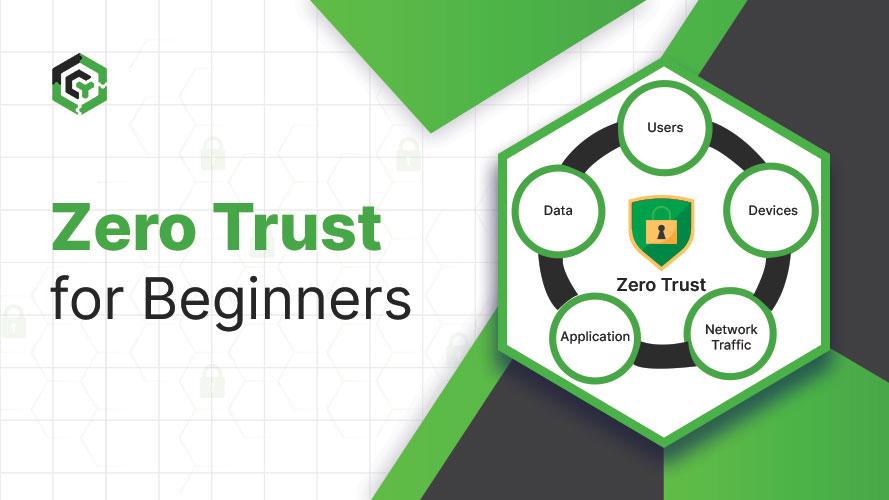
Zero Trust for Beginners: Why "Trust No One" is Your Best Defense
Supply Chain Attacks: Protecting Your Business Ecosystem

Top 30 SOC Analyst Interview Questions and Answers for 2025
The Role of Certifications in Bridging the Cybersecurity Skills Gap
Why Every Business Needs Tailored Cybersecurity Training

Unveiling Lucrative Paths: Exploring Cybersecurity Career Opportunities